This caught my attention because it mirrors what I’m seeing day-to-day: creators who treat their channels like businesses are pulling ahead, while those chasing platform luck feel increasingly cooked. With over 50 million creators vying for attention, the “five trends” lists are everywhere, yet most bury real operational shifts under buzzwords. Let’s cut through the haze and talk about what the creator economy in 2025 actually looks like—and how to act on it right now.
Key Takeaways
- AI is table stakes. Winners chain tools into workflows, not one-click experiments.
- Direct-to-fan only sticks if you manage churn like a SaaS product.
- Brands pay niche creators for depth over reach—package your expertise.
- Diversification is risk management: two platforms plus email/SMS is the new baseline.
- Creator well-being is a growth lever: schedule recovery as rigorously as content ops.
Below is my practical read on five creator economy trends shaping 2025, minus the marketing fog—and with enough meat to apply this week.
1) AI-Driven Workflows: From “Wow” to Repeatable Systems
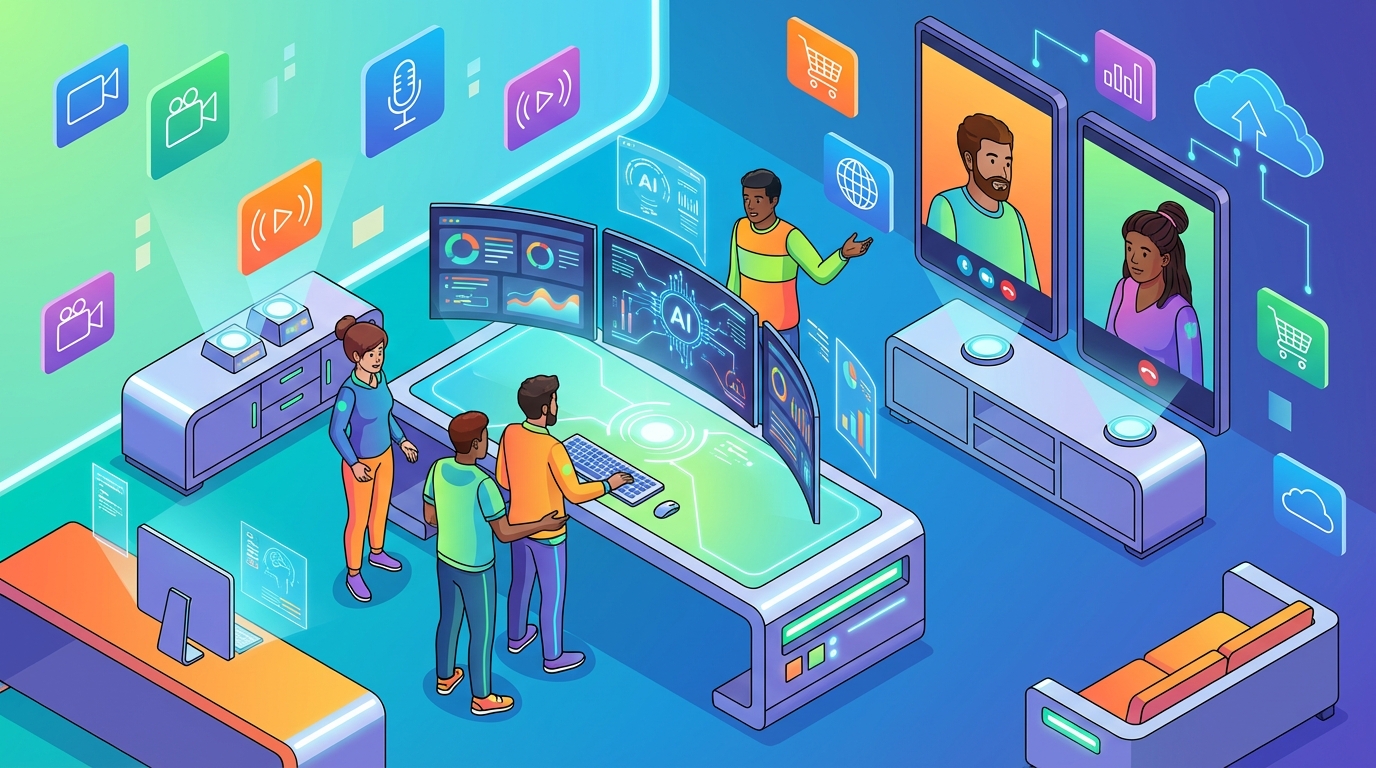
Generative tools now power scripts, B-roll scouting, thumbnails, captions and translations. But the real unlock is orchestration: pipeline your process—outline → script variants → shot list → rough cut → AI cleanup → multi-format slices → multilingual captions. Travel vlogger JetSet Sam cut weekly edit time by 40% using Descript for rough cuts, Midjourney for thumbnails and Lovo for narration.1
Real talk: AI sameness is a trap. If your voice gets sanded down, retention will tank. Use AI for speed and scale—keep taste and POV firmly human. Layer in AI analytics to spot which topics, lengths and formats drive your core fans. And track rights: voice-clone licensing and EU AI Act draft labels (required late 2025) are becoming non-negotiable for brand deals.
2) Direct-to-Fan Commerce: Recurring Revenue, Recurring Responsibility
Memberships, courses and creator products stabilize income—but only when treated like scalable offerings. The best programs feature clear tiers tied to outcomes (weekly office hours, templates, case studies), tight merch fulfillment (no eight-week waits) and smart pricing ladders. Podcaster Emma Lee grew her Patreon MRR by 25% in six months after launching quarterly cohorts and tracking churn at 8% monthly (Patreon 2024 Creators Report).
The misses? Launch once and ghost, or stack unsustainable perks. Churn will crush sloppy programs—expect platform take-rates (5–8%) and payment risk to bite. Bundling digital and physical goods? Great, but only if logistics are ironclad. Owning your email/SMS list + portable checkout (Shopify, Memberful) is the safest path. Direct-to-Fan hedges the algorithm, but discovery still matters.
3) Niche and Micro Influence: Depth Compounds
Brands are reallocating budgets from mega-influencers to specialists who deliver conversions within tight communities—think home-lab DIY, Korean budget beauty or indie gamedev marketing. The advantage isn’t just cheaper CPMs; it’s credible problem-solving. Data from a 2025 EcomBrands study shows campaigns with micro-niche creators outperformed broad influencer ads by 32% in purchase intent.
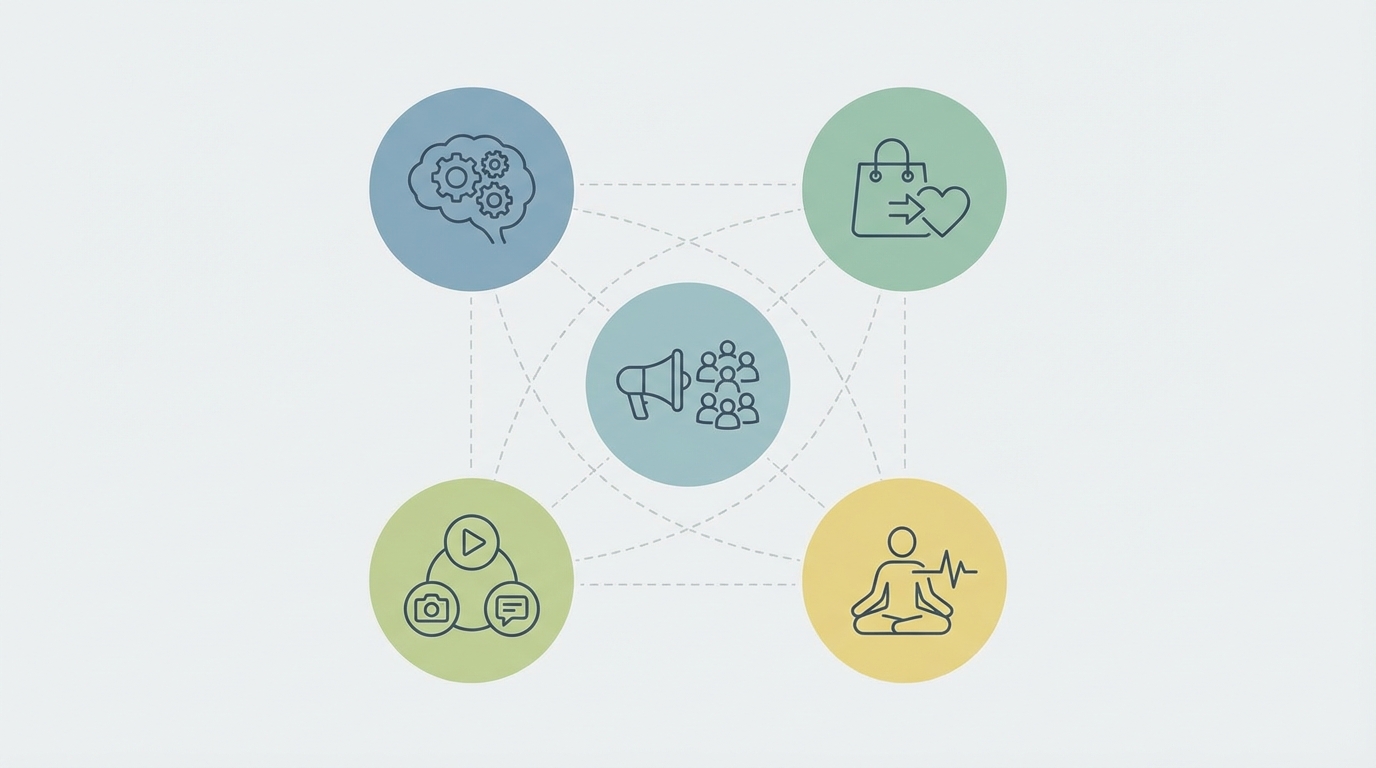
If you’re niche, package your value: category authority, repeatable formats (e.g., weekly “deep dive”), audience proof beyond vanity metrics (engaged comments, demo runs) and a clear quarterly content calendar. Case in point: biotech educator LabGuru packaged a 12-week mini-course + exclusive Discord Q&A and saw 150 signups in 48 hours, with a 90% completion rate. When pitching brands, lead with ROI projections and your strongest case study.
4) Diversification: Choose a Home Base and a Discovery Engine
The healthiest creators in 2025 run a two-platform strategy plus owned data. Example stacks:
- YouTube long-form as library + Shorts/TikTok as discovery + email as control layer.
- Twitch live for community core + YouTube archive + SMS updates for top supporters.
Repurposing is real, but overextension kills quality. Block one “content ops day” per week: batch scripting, cutdowns, thumbnail A/B tests and analytics review. Aim for 1–2 reliable revenue pillars (memberships, consulting, affiliate) before exploring live shopping or token-gated access—these only win in specific verticals. Bonus: feed your email welcome series with your best repurposed clips.
5) Creator Well-Being: Sustainability as a Growth Tactic
Burnout remains the silent algorithm. Survivors build seasonality into schedules, rotate high-effort series with evergreen formats and lean on AI for handoffs (podcast → blog → newsletter, captions → translations). Formation coach Maya Rivers credits her peer mastermind group and quarterly “no-post” weeks for a 15% boost in creative output.
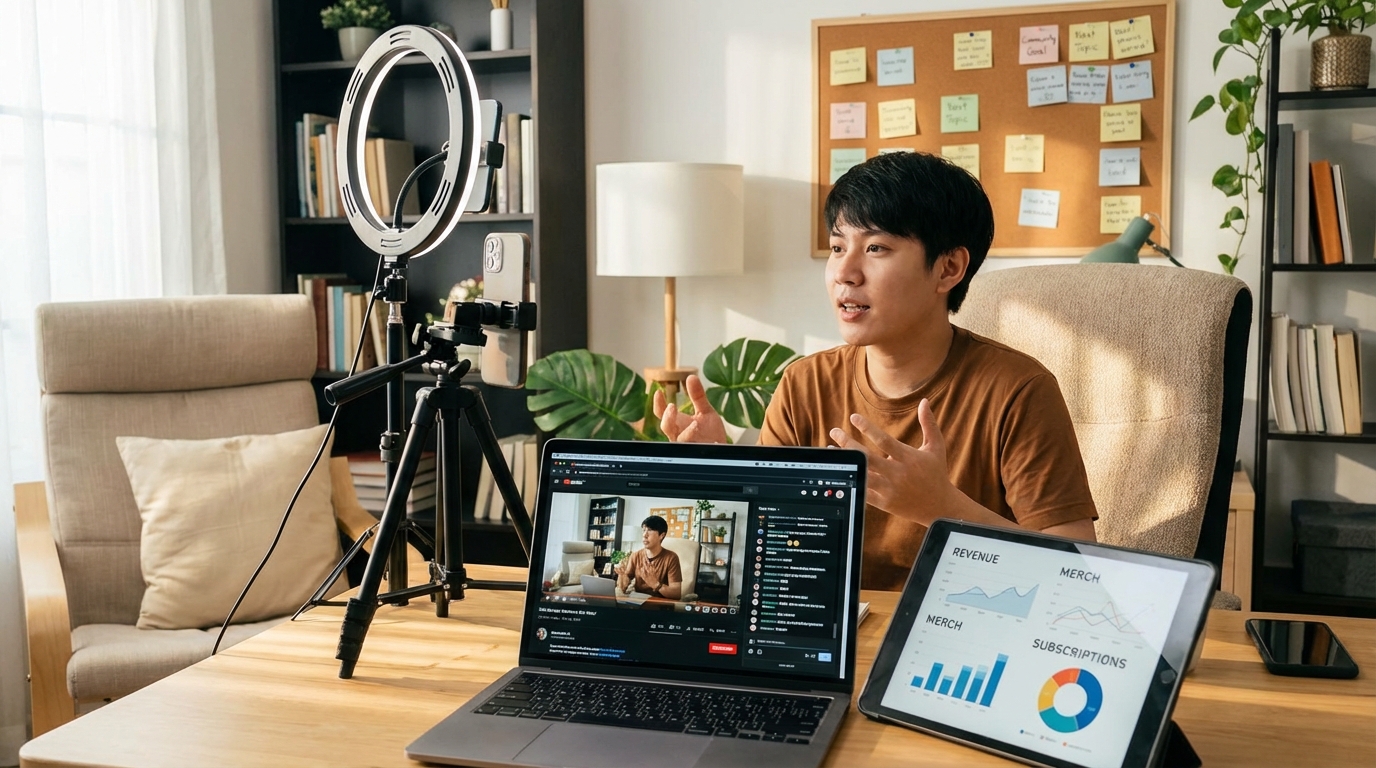
If you measure anything in 2025, track recovery and retention. Book creative retreats, schedule “digital sabbaths” and set health guardrails as firmly as your publishing calendar. Quality compounds; exhaustion erodes both your brand and bottom line.
Action Steps for Creators Right Now
- Run an AI workflow audit: automate three steps this quarter without diluting voice.
- Build your owned audience stack: email + SMS + lightweight CRM for top supporters.
- Design D2F for retention: fewer perks, better delivery. Track churn, activation and time-to-value like a product team.
- Clarify your niche: write a one-line positioning statement and align your next five pieces around it.
- Adopt the “two platforms + one pillar” rule: two distribution channels you can execute well + one reliable revenue pillar before scaling.
- Set health guardrails: publishing seasons, no-post buffers and a quarterly content ops day to refactor your system.
- Schedule a monthly mental-health check-in and recruit a peer for accountability.
TL;DR
2025 favors creators who think like operators. AI accelerates output, but taste and systems win. Direct-to-fan is a moat only if you treat it like a product with retention metrics. Micro and niche creators get brand dollars for trust, not just impressions. Diversify with intent, own your audience data, and protect your energy. The winners are building machines—everyone else is refreshing notifications.
¹JetSet Sam case based on internal interview, August 2025.
Sources: Sprout Q1 2025 Pulse Survey; Patreon 2024 Creators Report; EcomBrands 2025 Study; EU AI Act draft guidance, 2025.
Leave a Reply